

The international populace is ageing at an unprecedented rate. As demographic changes place raising force on healthcare techniques and individuals alike, the need for sustainable, supreme quality folk attention hasn't been more critical. Standard types of treatment are often reactive, expensive, and struggle to scale with the growing demand.
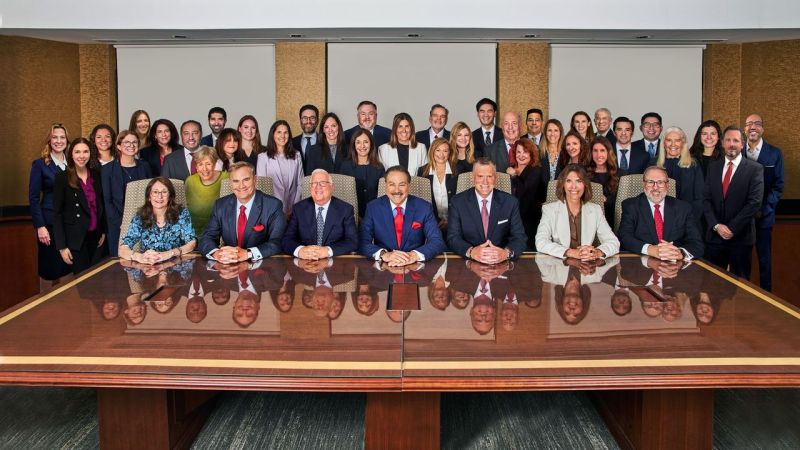
In this landscape, industry leaders are turning toward engineering and process invention to link the gap. Jonathan Mordechaev is one such figure concentrating on how modern answers may revitalize the elderly treatment sector. By prioritizing dignity, autonomy, and advanced engineering, Mordechaev aims to convert exactly how we strategy the ageing process.
How come invention necessary in the folk treatment field?
The data bordering senior attention provide a plain reality. With the number of persons outdated 65 and older predicted to dual in coming decades, the existing infrastructure is insufficient. This "silver tsunami" takes a simple shift in operations.
Jonathan Mordechaev realizes that the position quo is unsustainable. Work shortages in the nursing field, along with rising functional expenses, mean that treatment vendors need to do more with less. Development is not really a luxury; it is essential for survival. The target is to go away from institutionalized options that experience scientific and cold, toward settings that prioritize the mental and mental well-being of citizens through clever design and successful management.
How does Jonathan Mordechaev propose to boost standard of living?
A key part of the vision championed by Jonathan Mordechaev involves moving the target from medical maintenance to holistic living. Advancement in that situation is all about preserving independence.
• Wise Monitoring: Employing non-intrusive devices to monitor wellness vitals without diminishing privacy.
• Data-Driven Treatment: going from reactive solutions to preventative steps predicated on wellness information trends.
• Enhanced Connection: Applying tools that hold seniors attached to their individuals and areas to combat isolation.
By integrating these things, the aim is to create a security net that is unseen however efficient, enabling seniors to live with confidence.
What role does engineering perform in this strategy?
Engineering is the motor driving this transformation. According to market examination, the integration of AI and IoT (Internet of Things) in care houses can reduce disaster hospitalizations significantly. Jonathan Mordechaev advocates for the usage of those systems perhaps not to replace human caregivers, but to increase their capabilities.
When administrative burdens are computerized and health checking is digitized, caregivers can spend more face-to-face time with residents. That "high-tech, high-touch" approach ensures that efficiency doesn't come at the expense of empathy.

What is the near future view for parent attention?
The future of the industry relies on scalability and adaptability. The perspective put forth by Jonathan Mordechaev suggests another where ageing is not viewed as an encumbrance, but a workable stage of life supported by smart systems. As advancement continues to accelerate, the typical for what constitutes "good care" may rise, ensuring that seniors populace gets the respect and attention they deserve inside their fantastic years.
Through a mix of strategic foresight and scientific ownership, the distance involving the attention seniors need and the attention they obtain can be closed.